


Blog
Anti-Slip Tiles in Kenya: Slip Ratings for Kids, Seniors, and High-Traffic Homes

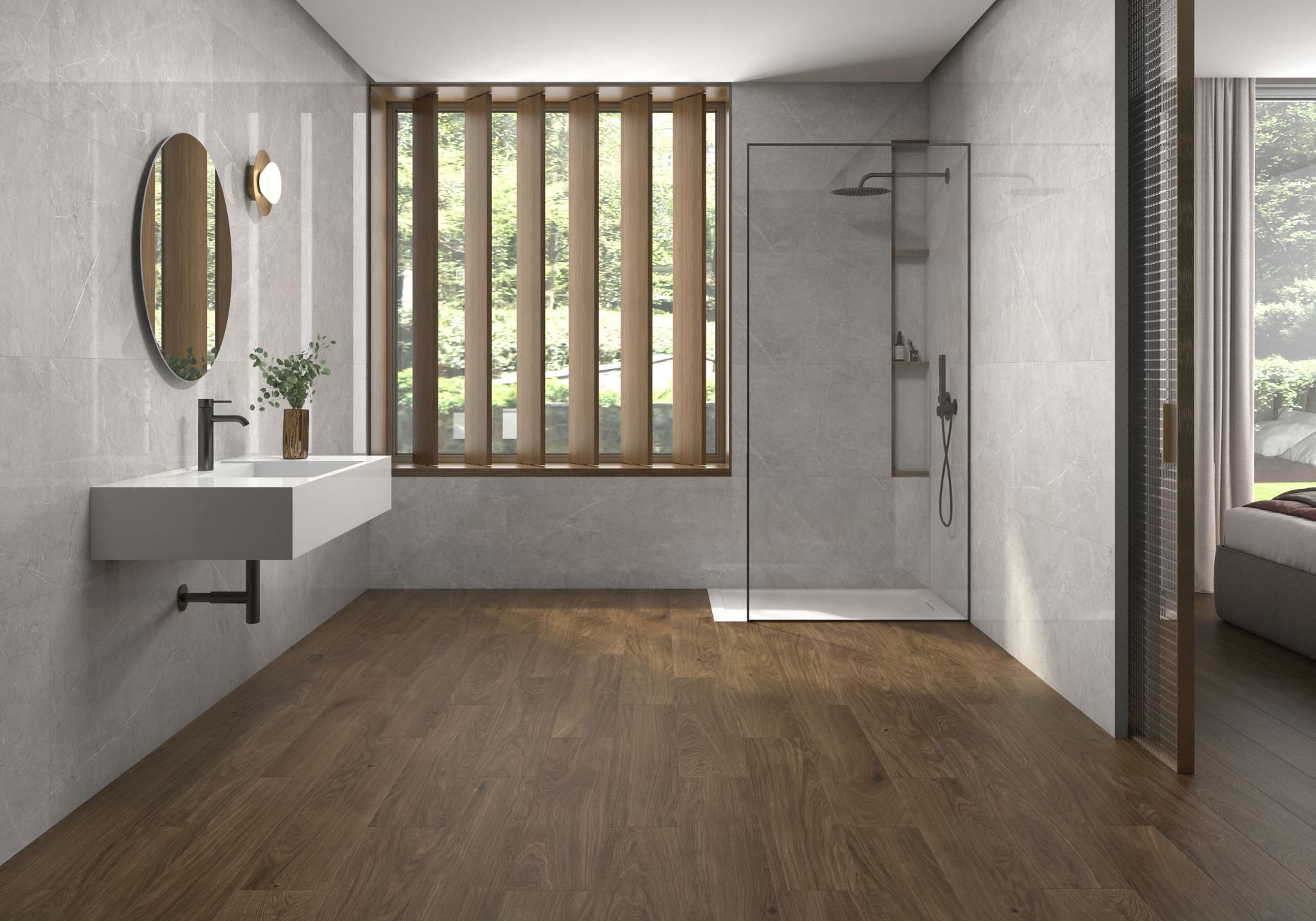
Safer Floors for Real Kenyan Homes
Slippery floors and wet tiles cause many small accidents at home, especially where kids and older family members live together. In Kenya, we move in and out of the house all day, tracking in dust, mud, and rainwater. With all that movement, floor safety is not just a nice extra, it is part of caring for the people we love.
Anti-slip tiles are designed to give more grip underfoot, even when floors are wet or dirty. Choosing the right ones can help reduce falls in bathrooms, on stairs and at entrances, without losing style or comfort. You can still have beautiful wood-look or stone-look tiles and make the home safer at the same time.
In this guide, we explain slip ratings in simple language, including R-values and COF, and how they relate to real spaces like bathrooms, balconies and kitchens. We also share easy cleaning and care tips that work for local conditions like dust, muddy shoes and long rainy spells. As a home improvement retailer in Kenya, we see these issues every day and we want to make tile choices simpler and safer for families.
What R-Values and COF Ratings Really Mean
When you hear people talk about R-values for tiles, they are talking about how slip-resistant a tile is. The scale usually runs from R9 to R13. Think of it like this: the higher the R number, the more grip the tile gives, especially when the surface is sloping or wet.
Here is a simple guide to how these levels are commonly used around homes:
- R9: Smooth, lower grip tiles, often used in dry indoor rooms like bedrooms or lounges
- R10: Slightly more grip, good for general indoor use where there may be light spills
- R11: High slip resistance, used for bathrooms, kitchens and busier indoor zones
- R12, R13: Very high grip, usually for outdoor areas, pool surrounds and steep or wet paths
COF, or Coefficient of Friction, is another way of showing how slippery or grippy a tile is. It measures how much resistance there is when one surface moves over another. In simple terms, a higher COF means your foot is less likely to slide, especially when the tile is wet.
When picking tiles for real life, many homeowners look at both R-value and COF:
- For wet areas like bathrooms, you want a higher R-value and a strong wet COF
- For dry living rooms, a mid-range R-value and good dry COF can be enough
- For outdoors, high R-value and high wet COF help when it rains
Keep in mind that higher grip can come with trade-offs. More texture can feel a bit rough on bare feet and may hold dirt more, so cleaning needs to be consistent. Smooth tiles are easier to mop, but can be slippery when wet. Working with a trusted supplier that clearly shows the ratings helps you compare options and choose the right value for each room and the people using it, from kids and seniors to house helps and guests.
Best Anti-Slip Tiles for Kids, Seniors and Busy Homes
Different rooms have different risks. A smart home plan matches tile grip to how each area is used.
Bathrooms and toilets are the top danger spots, especially where children bathe or older adults shower. Water splashes, soapy floors and small rugs all add risk. For these rooms, many people choose:
- R11 to R12 tiles on the floor
- Tiles with strong wet COF ratings
- Textured or matt finishes that still feel comfortable on bare feet
In kitchens and utility areas like laundry spaces, spills can include water, oil and food. Here you want good grip but also easy cleaning since grease can stick to very rough textures. A mid-to-high level, such as R10 to R11 with reliable wet COF, often balances comfort and safety.
Corridors, staircases and entry spaces get constant foot traffic. Family members, guests and delivery people move through these areas all day, sometimes carrying loads or wearing wet shoes. For stairs and ramps, it is wise to choose very secure options, often R11 or above, with defined edges and careful lighting.
Outdoor areas in Kenya face long rainy periods and a lot of mud. Balconies, verandas, pool surrounds and garden walkways may stay damp for hours. For these zones, many homeowners choose:
- R12 to R13 tiles outside
- Textured finishes that keep grip when wet
- Durable bodies that handle sun, dust and frequent mopping
The good news is that you do not have to give up style for safety. There are anti-slip tiles that look like natural stone, warm wood or simple matt concrete. This means you can match your safety choice to your interior look, whether your style is modern, rustic or classic.
Where to Use Each Slip Rating in Kenyan Homes
To make decisions easier, think of your home in zones by risk level.
Low-risk zones are rooms that stay mostly dry and where you walk barefoot or in light sandals, for example:
- Bedrooms
- Lounges and TV rooms
- Home offices
Here, R9 to R10 tiles often work well. They are comfortable and simple to clean, and you only need to manage the occasional spill.
Medium-risk zones have more chance of water or food on the floor:
- Indoor halls and corridors
- Dining areas
- Guest washrooms and cloakrooms
These spaces suit R10 to R11 tiles. You get more grip for spills from drinks, handwashing or quick showers, without the floor feeling too rough.
High-risk zones are where water is common or falls are more serious:
- Family bathrooms and showers
- Outdoor patios, balconies and verandas
- Indoor and outdoor stairs
- Pool decks and garden paths
Here, R11 to R13 and a high wet COF are helpful. Stairs are especially important for older adults and children, so grip and correct nosing are key.
Different housing types in Kenya have their own patterns. Apartments may have shared corridors and small balconies. Maisonettes and townhouses have both indoor and outdoor staircases, plus terraces and rooftop areas. Rural homes often have verandas and compound paths that collect mud.
When you are ready to buy anti-slip tiles, some practical tips include:
- Check the slip rating printed on tile boxes or product labels
- Ask showroom staff to explain R-values and COF for specific tiles
- Stand on samples if possible to feel texture and comfort underfoot
Good installation also plays a big part in safety. Floors should have the right slope for drainage so water does not pool, especially in showers and outdoor areas. The correct grout and laying pattern help reduce trip points and improve performance.
Cleaning and Maintenance for Long-Lasting Grip
Even the best anti-slip tile can feel slippery if it is covered in soap, grease or dust. In bathrooms, shampoo and shower gel can leave a thin film. In kitchens, cooking oil and food spills build up over time.
Regular care keeps grip strong. Simple routines for Kenyan homes include:
- Daily or frequent sweeping to remove dust, sand and small stones
- Weekly mopping with pH-neutral cleaners instead of very strong detergents
- Extra cleaning during school holidays or festive times when the house is busier
Use soft brushes or mops so you do not scratch tile surfaces. Rough metal scourers are not needed for most floors and can damage both tiles and grout. Now and then, give grout lines a deeper clean, because dirt collects there and can spread across the tile.
Avoid waxes, polishes or oily products on anti-slip tiles. These can fill the texture and reduce grip. For outdoor tiles, check after rainy periods for algae or moss, especially in shaded areas. Remove any growth early and fix any drainage issues that allow water to sit.
If you see cracked or chipped tiles, deal with them soon since sharp edges can cause both cuts and trips. Choosing suitable cleaning products for your tile finish and following simple routines will help your floors stay safe, attractive and comfortable.
Shop Smart and Stay Safe with TACC Kenya
Before you pick tiles, it helps to look honestly at your own spaces. Walk through your home and list places where people are likely to slip. Think about who uses each space, such as toddlers learning to walk, teenagers running to the bathroom, visiting grandparents, or staff carrying water or laundry. Note how often floors get wet or muddy, especially near doors, kitchens and bathrooms.
When you are ready to buy anti-slip tiles, bring room sizes, photos of your current floors and any special concerns. This makes it easier to match slip ratings, tile sizes and finishes to your real life. At TACC Kenya, we work with tiles, sanitaryware, furniture, lighting, fabrics, décor and homeware every day, so we see how all the pieces come together in Kenyan homes. Our goal is to help you choose floors that are safe, stylish and practical for busy family life, from quiet bedrooms to high-traffic entries and outdoor spaces that handle sun, rain and everything in between.
Get Started With Your Project Today
Transform your floors with safe, long-lasting finishes by choosing TACC Kenya for your next project. Explore our wide selection and buy anti-slip tiles that match both your design and performance needs. If you would like tailored advice on quantities, suitability or installation, simply contact us and our team will be ready to help.