Blog
Selecting Bathroom Basins for Sale That Suit Kenyan Water


Make Your Basin Choice Work with Kenyan Water
Choosing a bathroom basin in Kenya is not just about style. Our water can be hard, supplies are sometimes patchy, and many homes use borehole or stored tank water. All these things change how a basin looks and last over time.
Mineral-rich water leaves white marks, rings around the bowl, and a dull film on some finishes. Intermittent supply often means more scrubbing after storage tanks, boreholes, or trucking. If you pick the wrong material or shape, your basin can stain, scratch, and age quickly. Here we share practical tips to help you pick bathroom basins for sale that resist limescale, stay easy to clean, and still look smart in a modern Kenyan bathroom.
Understanding Kenyan Water and Its Impact on Basins
Across Kenyan homes, water comes from different places, and each behaves differently on your fittings.
Common sources include:
- City council or county supply
- Boreholes on the compound or shared plots
- Roof-harvested rainwater stored in tanks
- Trucked or bowser water, also stored in tanks
City water often contains treatment chemicals and minerals that leave a light layer of limescale over time. Borehole water is usually harder and can leave thick white or yellowish deposits around the waste and tap area. Tank water may carry small particles that settle around the basin edges.
Hard water means there are more minerals, like calcium and magnesium, in the supply. Over time, this can:
- Create limescale rings inside the bowl
- Make glossy finishes look dull and patchy
- Leave stubborn spots around the tap and overflow
During the long dry period from around July to October, water shortages can lead to greater use of stored water and increased dust buildup in the air. That usually means more frequent cleaning. Any basin you choose should cope well with:
- Regular scrubbing
- Common household detergents
- Abrasive mineral deposits from hard water
If a basin material scratches easily or has a delicate finish, it will start to look old quite fast under these conditions.
Best Basin Materials for Hard Water Homes
Most bathroom basins for sale in Kenya are made from a few main materials. Each one behaves a bit differently with hard water.
Ceramic and porcelain are the classics. They have a smooth, glazed surface that is:
- Quite resistant to staining
- Hard enough for normal scrubbing
- Easy to wipe clean after limescale remover
These are usually the most forgiving for mineral-rich water and daily family use.
Engineered stone and some composite basins lend a higher-end look. They can be:
- Very strong and durable when properly finished
- Slightly more sensitive to harsh chemicals
- Better kept with gentle cleaners and soft cloths
Glass basins look very stylish, especially in guest bathrooms. However, they:
- Show every water spot and streak
- Need frequent wiping to stay clear
- Do not love abrasive powders or rough sponges
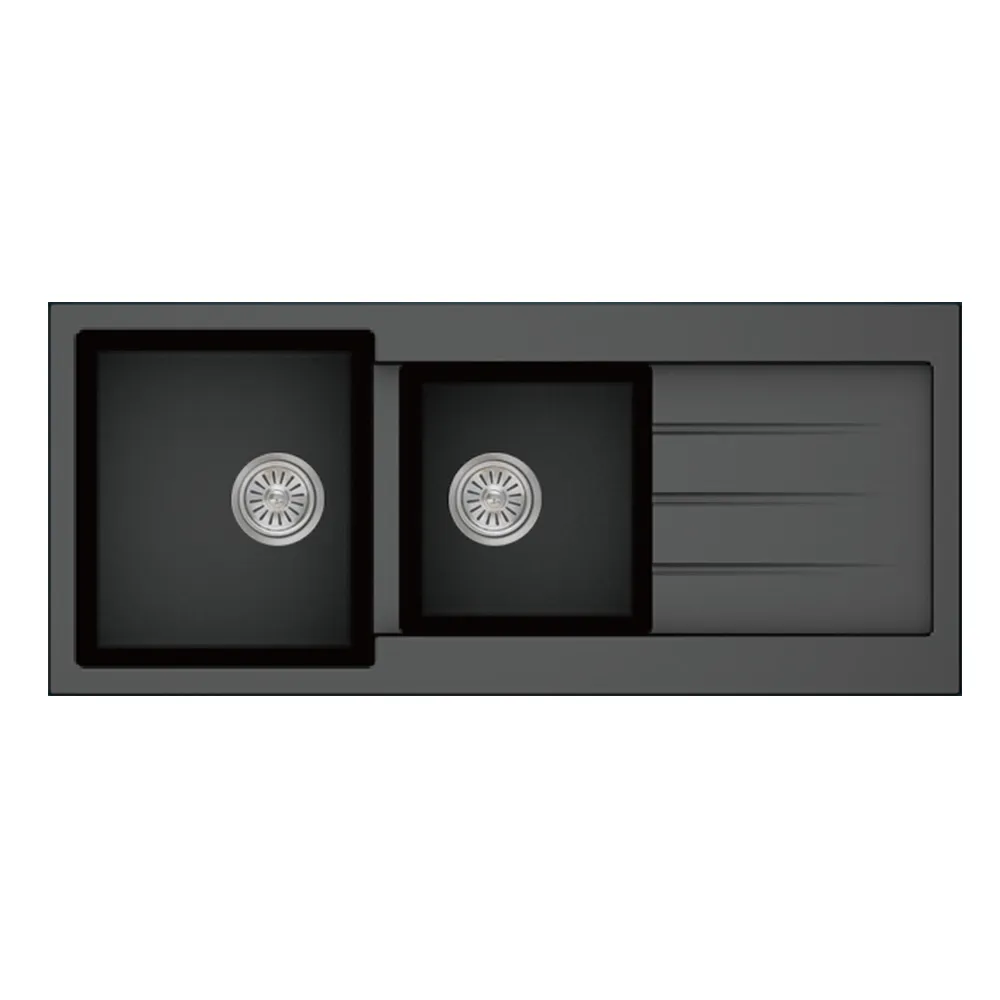
When it comes to finishes, it helps to be honest about your cleaning routine. Luxury looks like matte black, deep metallic colours, and very dark tones can:
- Show water spots and soap streaks more clearly
- Highlight every bit of limescale around the waste
- Need more careful, regular wiping
Glossy white, off-white, and soft light colours usually hide marks better and bounce light around small Kenyan bathrooms. For most homes with hard water, a quality ceramic or porcelain basin in a light, glossy finish is a safe, long-term choice.
Smart Basin Shapes and Designs for Easy Cleaning
The shape of the basin is just as important as the material. Awkward corners and sharp angles are where dirt and limescale love to sit.
Look for designs with:
- Smooth inner curves and rounded corners
- A gentle slope towards the waste so water drains well
- Minimal ridges, steps, and tight joins
Integrated easy-to-reach overflow holes are helpful, especially in homes with kids. Simple shapes are usually faster to wipe and keep fresh.
Water pressure also matters. In some Kenyan homes, pressure changes during the day or when tanks run low. To reduce splashing and mess, especially in family or guest bathrooms, consider:
- Medium-depth bowls that are not too shallow
- Tap positions that aim water into the centre of the bowl
- Slightly raised rims in busy bathrooms to catch stray splashes
Different mounting styles also behave differently:
- Countertop basins: Sit on top of a vanity and look modern. They can offer more storage underneath, but may splash more if the bowl is very shallow or the tap is too high.
- Under-mount basins: Fixed under the counter, they create a smooth edge so you can wipe water straight into the bowl. Cleaning the counter is quick, which is great in homes where dust settles fast.
- Wall-hung basins: Keep the floor clear, which is helpful in small spaces and wet rooms. They make mopping and tile cleaning easier, but you need the plumbing and wall strength to support them.
Matching Basin Size and Style to Kenyan Bathrooms
Many Kenyan bathrooms are compact, especially in city apartments, so basin size needs care.
For tight cloakrooms or guest loos:
- Choose a slim or corner basin to free up floor space
- Keep projections shallow so doors can open fully
- Go for wall-hung options if the room feels cramped
In suburban homes or larger family bathrooms:
- A wider basin with counter space for toiletries works well
- Double basins can help busy households if the layout allows
- Under-mount basins with storage below keep things tidy
In rural or peri-urban houses with combined wet rooms, think about:
- Wall-hung basins to keep the floor clear for washing
- Simple shapes that are easy to rinse down after bucket use
- Finishes that can handle splashes from all sides
Style matters, but it should not fight your existing tiles, taps, and storage. If you are doing a small mid-year refresh, choose neutral shapes and colours that blend with what you already have. Clean lines, soft curves, and classic whites or stone tones tend to age well.
If you might rent or sell the home later, timeless designs usually appeal to more people. That way, your new basin still feels current and attractive a few years from now.
Keeping Your Basin Looking New in Every Season
Once you choose the right basin, a simple routine will keep it looking good, even with Kenyan hard water.
Daily or regular habits can be very quick:
- Wipe splashes after use with a soft cloth
- Rinse away soap before it dries and hardens
- Leave the bowl dry when possible to cut limescale rings
For deeper cleaning, especially around the dusty August period:
- Use a gentle bathroom cleaner suited to your basin material
- Apply limescale remover where you see white build-up
- Scrub with non-scratch sponges or microfibre cloths
Avoid harsh abrasives on delicate or dark finishes, as they can scratch and make marks more visible. Deal with limescale as soon as you see it, especially around the tap base and waste, so it does not harden into a permanent ring.
The right basin choice works best when paired with quality taps, traps, and accessories that also handle Kenyan water well. A well-thought-out set-up makes every wash more comfortable and keeps the whole bathroom feeling fresh all year round.
Get Started With Your Project Today
Transform your bathroom with quality fixtures by exploring our curated range of bathroom basins for sale from TACC Kenya. Our team is ready to help you choose the ideal basin style, size and finish to suit your space and budget. If you would like personalised guidance or a quotation, simply contact us and we will walk you through your options.