Blog
Layered Lighting Ideas to Transform Any Room


Rethinking That Single Ceiling Light
Good lighting can completely change how a room feels, yet many homes still rely on a single ceiling fitting in the middle of the space. That one bulb is expected to light family time, focused work, relaxing evenings, and everything in between. No wonder so many rooms end up feeling flat, uneven, or just a bit uncomfortable.
Kenyan homes today work much harder than they used to. Living rooms double as home offices, open-plan spaces blend cooking, dining, and entertaining, and long, sunny days mean we need lighting that works just as well at night as in the early morning. A lonely ceiling pendant or bulkhead simply cannot keep up with all that. In this article, we at TACC Kenya share how layered lighting can transform any room, and how to think beyond that one central fitting when you are looking at ceiling lights for sale.
Why One Fitting Fails
A single pendant or bulkhead in the middle of the ceiling throws all its light from one point. The centre of the room often becomes harsh and bright, while corners sink into shadow. Faces are lit from directly above, which can feel unflattering, and work surfaces or reading spots may never get enough focused light.
Many homeowners choose a fitting only because it looks good in the shop. It might be beautiful, but if it is the only source of light, the room will still feel off. Common mistakes include:
- Placing one light exactly in the middle of the ceiling, no matter the layout
- Ignoring how wall colours absorb or reflect light
- Forgetting ceiling height, so fittings glare in your eyes or feel lost and tiny
- Relying on very bright lamps to compensate for poor placement
There is also a hidden cost to the idea of “just one light”. If that single fitting has to work from early morning to late at night, glare and eye strain increase. You might find you need to keep it on even during the day because corners are too dim for reading, studying, or cooking. Good design is not about more power in one place, it is about the right light in several places.
The Basics of Layered Lighting at Home
Layered lighting solves these problems by separating light into three distinct roles: ambient, task, and accent. Once you understand these, any room becomes much easier to plan.
Once you understand these planning, any room becomes much easier.
Ambient lighting is your base layer, the gentle general light that fills a room so you can move around safely. This usually comes from ceiling fittings or a series of recessed downlights. In some spaces, a combination of ceiling lights and wall lights provides a soft, even glow.
Task lighting is focused light for specific activities. This could be a reading lamp by the sofa, under-cabinet lights in the kitchen, a desk lamp in the study corner, or a pair of bedside lamps. Task lighting should be brighter and more direct than ambient light, but limited to the area where it is needed.
Accent lighting adds character and mood. It highlights features like artwork, textured tiles, shelves, or a statement plant. Accent lights might be wall lights, LED strips in joinery, or small spots that skim across a textured wall.
You do not need to add dozens of fittings. A simple mix might include:
- One or two main ceiling lights for ambient light
- A couple of floor or table lamps for task lighting
- A feature wall light or strip for accent and atmosphere
By balancing these layers, no single fitting has to do it all. Each light is set up for a specific purpose, and together they create a comfortable, flexible space.
Planning Better Lighting Room by Room
Different rooms ask for different layers, especially in busy Kenyan homes where spaces are used from early morning to late evening.
In the living room, a central ceiling fitting can still play a role, but it should not be the only one. Pair it with recessed downlights in key areas, such as above a reading chair or near built-in storage. Wall lights can soften light near the TV so the screen is not the only bright spot at night. Floor and table lamps create pools of light for reading or relaxed conversation without flooding the room.
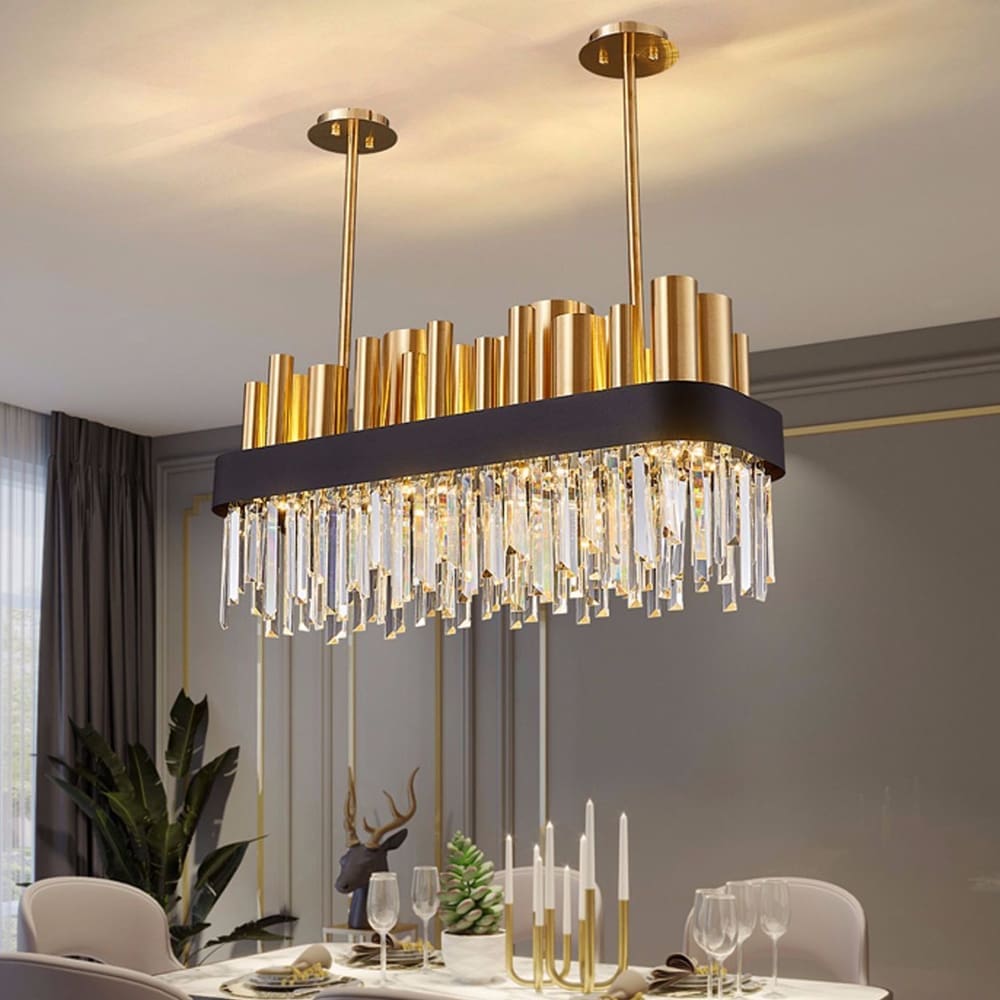
In the kitchen and dining area, lighting must work for both food prep and social time. A main ceiling fitting or a grid of downlights provides ambient light. Pendants over an island or breakfast bar provide focused task lighting for chopping, mixing, and serving. Under-cabinet lighting is almost essential, removing shadows on countertops. Above the dining table, a feature fitting on a dimmer lets you switch from bright family meals to a softer, more intimate glow for guests.
Bedrooms call for calm, so ambient light should be softer and not too harsh. A low-glare ceiling fitting or cove lighting creates a relaxing base. Bedside lamps or wall-mounted reading lights provide task lighting that can be switched off without getting out of bed. In bathrooms, a central ceiling light can be combined with good mirror lighting to avoid shadows on your face. Subtle accent lighting, such as a soft light around a mirror or under a vanity, helps create a spa-like feel when you want to unwind.
Choosing the Right Ceiling Lights and Extras
When you are looking at ceiling lights for sale, start by thinking about what the room actually needs. The style of the fitting is important, but so are size, height, and light output. A tiny pendant in a large open-plan area will look and feel lost, while an oversized chandelier in a low-ceilinged bedroom can dominate the room and cause glare.
Light colour matters too. Warm white light often feels welcoming in living rooms and bedrooms, while cooler whites can suit kitchens, bathrooms, and work zones. Dimmable options give you even more control, letting you adjust brightness for different times of day and activities.
To keep your scheme looking cohesive rather than random, repeat finishes and shapes across fittings:
- Choose similar metal finishes or colours for ceiling and wall lights
- Match simple, clean-lined fittings with more minimal furniture
- Pair decorative pendants with quieter, recessed spots
- Keep lamp shades in a related palette to your fabrics and decor
A good layered scheme might pair a main ceiling fitting with quiet recessed spots, a couple of wall lights, and a floor lamp or two. Think of the ceiling light as the starting point, then add supporting pieces that complement it.
How TACC Helps You Upgrade Beyond One Fitting
At TACC Kenya, we see lighting as part of a bigger picture. Tiles, paint colours, fabrics, and furniture all affect how light behaves in a room. A dark feature wall might need more accent lighting, while glossy tiles can reflect light beautifully if they are positioned correctly.
Our in-store teams can help you translate the idea of layered lighting into a simple plan for your home. When you explore ceiling lights for sale, we can guide you towards fittings that suit your room size, ceiling height, and lifestyle. Wall lights, lamps, and other fixtures can then be selected to work together, not compete.
It helps to come in with photos of your rooms, some basic measurements, and a sense of how you use each space. Do you work at the dining table? Do children do homework on the sofa? Do you love long evenings entertaining? These details shape where each lighting layer should go. With the right mix of fittings, your rooms can feel brighter, more comfortable, and far more flexible, all without changing the structure of your home.
Transform Your Space With Expert Lighting Guidance
Explore our curated range of ceiling lights for sale and find the perfect fit for every room in your home or project. At TACC Kenya – LBD, we help you match style, performance, and budget so your lighting works day and night beautifully. If you would like tailored advice or support with your order, simply contact us and our team will be happy to assist.