Blog
Switch Placement Mistakes That Disrupt Everyday Comfort


Rethinking Switches for Effortless Everyday Living
Thoughtful switch placement is one of those small details that quietly shape how comfortable a home feels. When switches are in the right place, you barely think about them. You move through rooms, lights respond naturally, and your hands almost find the controls on their own. When they are wrong, you notice every single day.
Common frustrations are surprisingly familiar: fumbling for a switch in the dark, reaching awkwardly around a door, or stretching over a sofa to turn off a light at night. These irritations break the flow of a space and can even create safety risks on stairs, in corridors, or in bathrooms.
At TACC Kenya, we see lighting as a partnership among good planning, smart switch positions, and the right lighting fixtures. When switch layouts work hand in hand with your room design, tiles, furniture, and décor, your home feels calmer, safer, and easier to live in. Our role is to help you pair suitable electrical switches for sale with a layout that makes everyday life feel effortless.
Avoiding the Awkward Door Swing
One of the most common switch mistakes happens right at the doorway. A switch ends up on the hinge side of a door, or directly behind the door leaf, so you have to step into a dark room or close the door again just to reach it. In high-traffic rooms, this quickly becomes a daily irritation.
Best practice is simple. Wherever possible, switches should be on the latch side of the door, within easy reach as you enter, so you can turn the light on before you step fully into the room. A standard height that suits most adults keeps things intuitive, and the position should feel natural as your hand moves from the handle to the wall.
This matters most in rooms you use often, such as living rooms, kitchens, and bedrooms. In a busy kitchen, an awkwardly placed switch near a door can mean juggling bags, shopping, or hot pans in the dark. In a bedroom, you want to light the space easily without having to feel along the wall.
When planning a renovation, it helps to review every door swing direction with both your designer and electrician. Small changes, like hanging a door the other way or shifting a switch to the opposite side, can transform how you use a room. This is also the ideal moment to choose matching electrical switches, plates, and finishes that complement your tiles, paint colours, and hardware.
Getting Switch Height Right for Real People
Another easy mistake is forgetting who actually lives in the home. Switches placed too high or too low can make life difficult for children, older relatives, or anyone with limited mobility. A home that feels inclusive keeps everyday actions, like turning on a light, comfortable for everyone.
In most homes, a consistent switch height across corridors, bedrooms, and living spaces helps build an intuitive rhythm. Your hand naturally reaches the same zone, no matter which door you pass through. On staircases and in bathrooms, switches should feel safe to reach without stretching or bending awkwardly.
It can help to think in terms of zones and habits:
- Corridors and halls: keep switches at a comfortable standing height that works for both adults and older children.
- Bedrooms: use the same standard height at the door, then consider lower, easy-to-reach bedside controls.
- Bathrooms: position switches outside the room, or where allowed, in a safe, dry area that you can reach without leaning over fixtures.
- Staircases: place switches at the top and bottom at matching heights for clear muscle memory.
Grouping switches at a comfortable height also makes layered lighting easier to control. If you have ceiling lights, wall lamps, and decorative lighting fixtures for sale in mind, placing their controls together prevents confusion. Going beyond basic building code and thinking about guests, ageing parents, and young children turns a house into a genuinely welcoming space.
Designing Better Zoning and Control
Relying on a single switch to control all the lights in a room can feel limiting, especially in larger or open-plan spaces. A bright overhead light might be perfect for cleaning, but it can feel harsh when you want to relax, entertain, or watch TV.
Good zoning separates task, ambient, and accent lighting so that you can choose just what you need. In a kitchen, task lights over the worktop and island might be on one switch, general ceiling lighting on another, and softer dining lighting on a third. The same idea applies in living rooms or combined kitchen-dining areas.
Thoughtful placement of multiple switches allows you to make the most of your lighting fixtures for sale:
- Pendants over an island or dining table on a dedicated switch.
- Under-cabinet strips for food prep are controlled separately from ceiling lights.
- Wall sconces or floor-lamp sockets on their own circuit for evening ambience.
- Feature lights on shelves or display units grouped where you can reach them easily.
In larger spaces, labelled or clearly grouped switches help you remember what each one does. When choosing electrical switches for sale, it is worth discussing your circuits at the same time. Matching switches and dimmers, laid out logically, give you flexible control without visual clutter.
Lighting Transitional Spaces Properly
Corridors, staircases, and landings often get less attention than main rooms, yet they are where poor planning can feel most unsafe. A long corridor with a switch only at one end, a staircase lit from a single awkward point, or a dim landing can all create hesitation, especially at night.
Two-way or intermediate switches at both ends of corridors and stairs let you turn lights on as you enter and off as you leave, without walking back through the dark. This simple detail supports smoother movement during early starts, late nights, or when guests are staying over.
It helps to think about key daily touchpoints:
- At bedroom doors and near beds for easy night-time control.
- At bathroom entrances, so you are never stepping into a dark, humid space.
- By the main entry doors, so you can arrive home to a well-lit hallway and switch lights off comfortably when you go out.
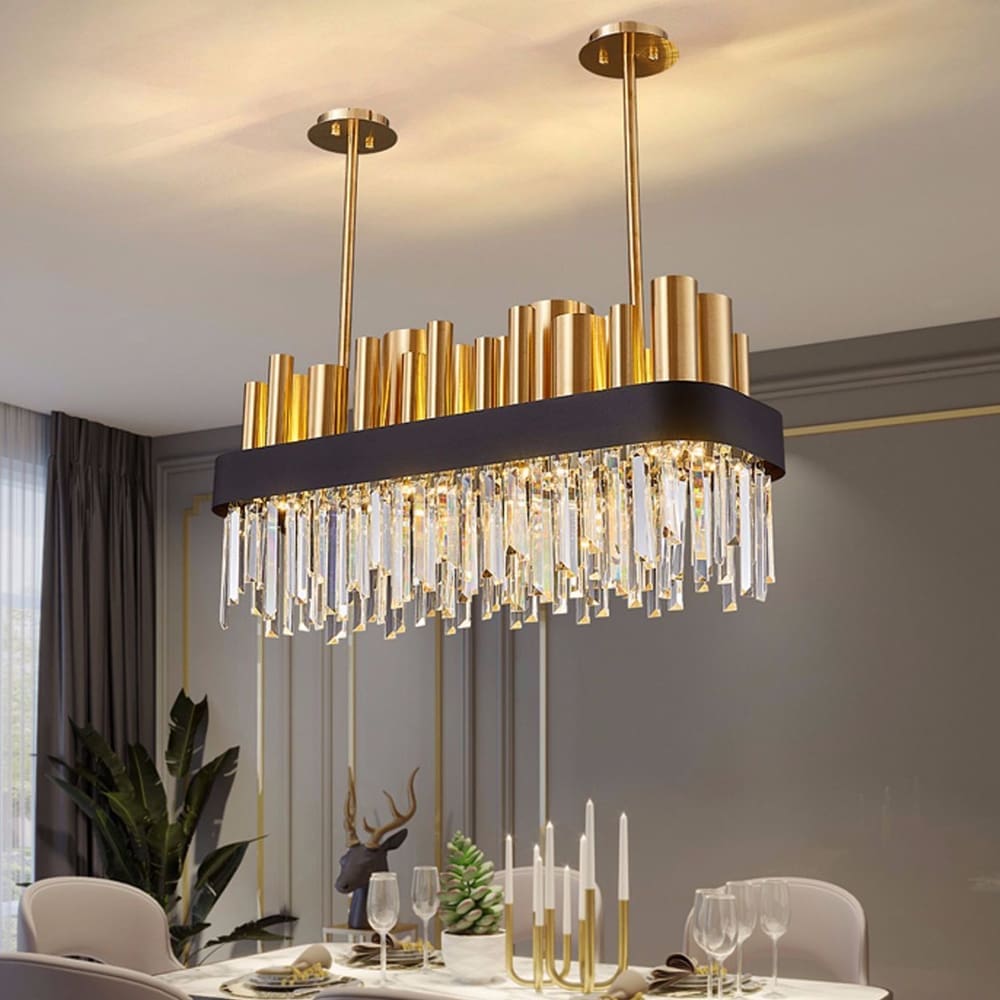
Transitional spaces are also an ideal place to combine functional fittings with attractive lighting fixtures for sale. Wall washers, step lights, or discreet ceiling lights can guide your path, highlight textures like tiles and wall finishes, and support a calm, comfortable mood as you move around the home.
Planning Around Furniture and Fittings
Switch layouts are often decided long before furniture is placed, which is why so many switches end up hidden behind wardrobes, headboards, large sofas, or bathroom cabinets. Once a heavy piece of furniture is in place, an inaccessible switch tends to stay that way.
Planning switch locations alongside furniture and fittings avoids this problem, especially in bedrooms, TV rooms, home offices, and bathrooms, where layouts are more fixed. For example, in a bedroom, you might want the main light switch near the door and secondary switches or controls at each bedside. Nobody enjoys crossing a dark room to turn a light off, then feeling their way back to bed.
For living spaces, it is worth thinking about:
- Sofa positions relative to TV points and sockets.
- Whether you would like to control the main lights and lamps from beside the sofa.
- Desk positions in a home office, and the best spot for task lighting switches.
- Cabinet and mirror placement in bathrooms so switches remain clear and reachable.
A simple way to test ideas is to work with floor plans, then mark potential switch points on your walls with temporary tape. Walk the routes you use each day and notice where your hand instinctively goes. This approach helps you make better decisions when choosing electrical switches for sale and complementary cover plates, because you are planning for how you will really live, not just how the room looks on paper.
Designing Switches and Lighting That Work for You
Avoiding these common switch placement mistakes can transform how your home feels. When switches are thoughtfully placed, movement becomes smoother, spaces feel safer, and your lighting feels like an effortless part of daily life instead of something you constantly adjust.
It is worth taking a slow walk through your current home and asking simple questions. Which switches feel awkward to reach? Where do you backtrack in the dark? Would an extra control, a second switching point, or better zoning make a difference? As you answer those questions, you will start to see how switch positions, circuits, and your choice of lighting fixtures for sale could work harder for you.
At TACC Kenya, we believe a comfortable home is one where details like tiles, furniture, lighting, and switches all support the way you live. With thoughtful planning and the right selection of electrical switches for sale, your home can feel more intuitive, safer, and more enjoyable every single day.
Transform Your Space With Thoughtfully Chosen Lighting Today
Explore our carefully curated range of lighting fixtures for sale to bring warmth, character and function to every room in your home or project. At TACC Kenya – LBD, we help you match the right fittings to your style, budget and practical needs, from statement pieces to subtle accents. If you would like tailored guidance or have specific project requirements, simply contact us and our team will be happy to assist.