Blog
Transform Your Living Room Furniture Into a Cohesive Set


Create a Living Room That Feels Effortlessly Put Together
A living room can have beautiful pieces and still feel a bit off. Maybe the sofa is nice, the TV unit is stylish, the coffee table is cute, but together they do not feel like one set. The space feels almost there, but not quite. That is what happens when things are bought one by one, without a clear plan.
A cohesive living room does not mean everything has to match. It means the furniture, fabrics and décor connect through colour, style, texture and layout. Early in the year is a great time to look at your lounge with fresh eyes, clear out the holiday chaos and create a calm space that makes you happy every day. We want to share simple steps that help you turn a mix of pieces into a living room that feels thoughtfully pulled together, whether you are starting from scratch or trying to upgrade what you already own.
Define Your Living Room Style Before You Buy Anything
Before you buy living room furniture, pause and decide what style feels like you. This one step saves you from random impulse buys that look good alone but clash at home. Some common styles that work well in Kenyan homes include:
- Modern minimalist, clean lines, light colours, very little clutter
- Contemporary African, rich tones, pattern, natural materials
- Classic, timeless shapes, neutral colours, gentle curves
- Rustic, warm wood, woven pieces, relaxed and homely
- Urban luxe, bold accents, metallic touches, statement pieces
A simple way to lock in your style is to create a quick mood board. Save 8 to 10 photos of living rooms you love, then look for what keeps repeating. Notice whether you are drawn to lots of beige and white or deep jewel tones, and spot common finishes like black metal, light oak, or rattan. Also pay attention to shapes; whether you like curves or straight, clean lines.
Your lifestyle matters just as much as your taste, because it affects what will actually work day to day. Ask yourself:
- Do you have kids or pets? Go for durable fabrics and wipeable surfaces.
- Do you host often? Think modular sofas, extra stools and nesting tables.
- Do you live in an apartment? Choose compact, multi-functional pieces.
From here, write a small buying brief you can refer back to whenever you shop, so each new item supports your final look. Keep it simple:
- Preferred wood tone: light, medium or dark
- Main metal finish: black, chrome or brass look
- Main sofa colour family: grey, beige, taupe or a deeper shade
- Shape preference: rounded pieces or boxy silhouettes
Keep this brief handy when you buy living room furniture online or visit a showroom so every new piece supports your final look.
Build Your Core Furniture Set Around One Hero Piece
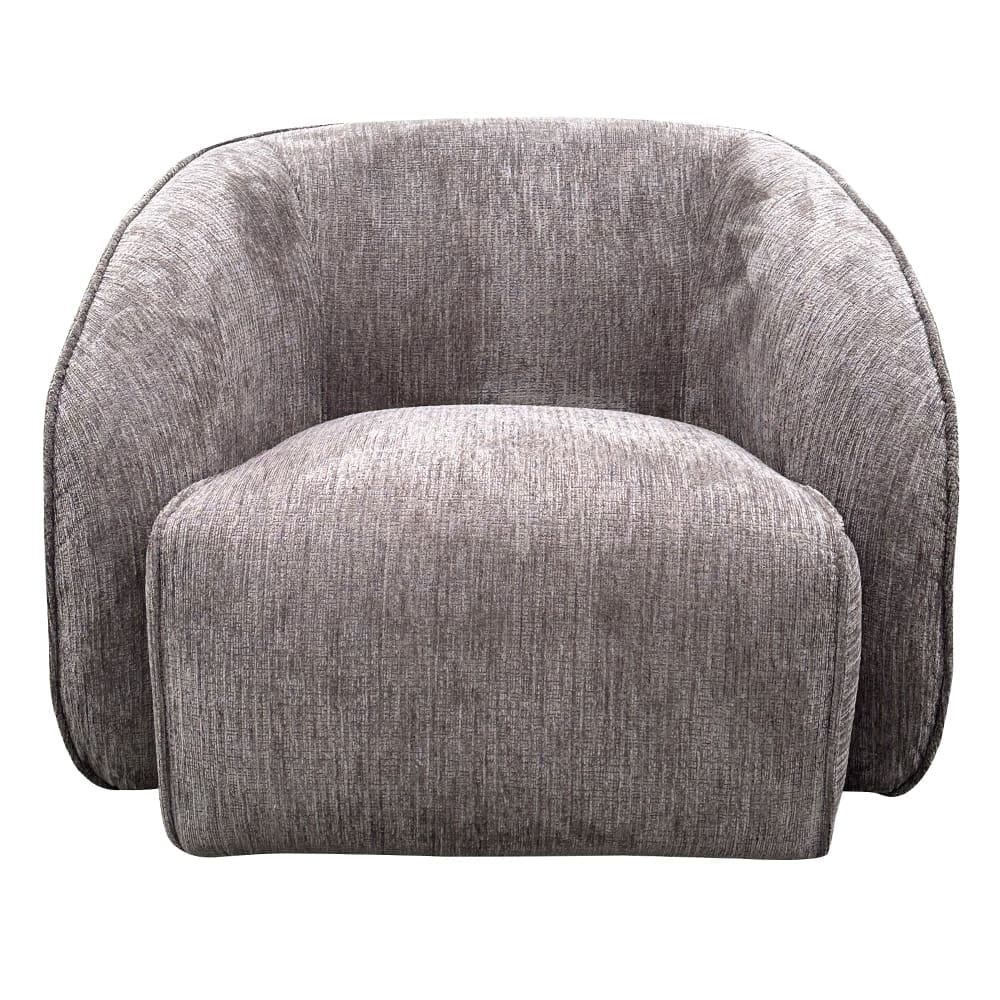
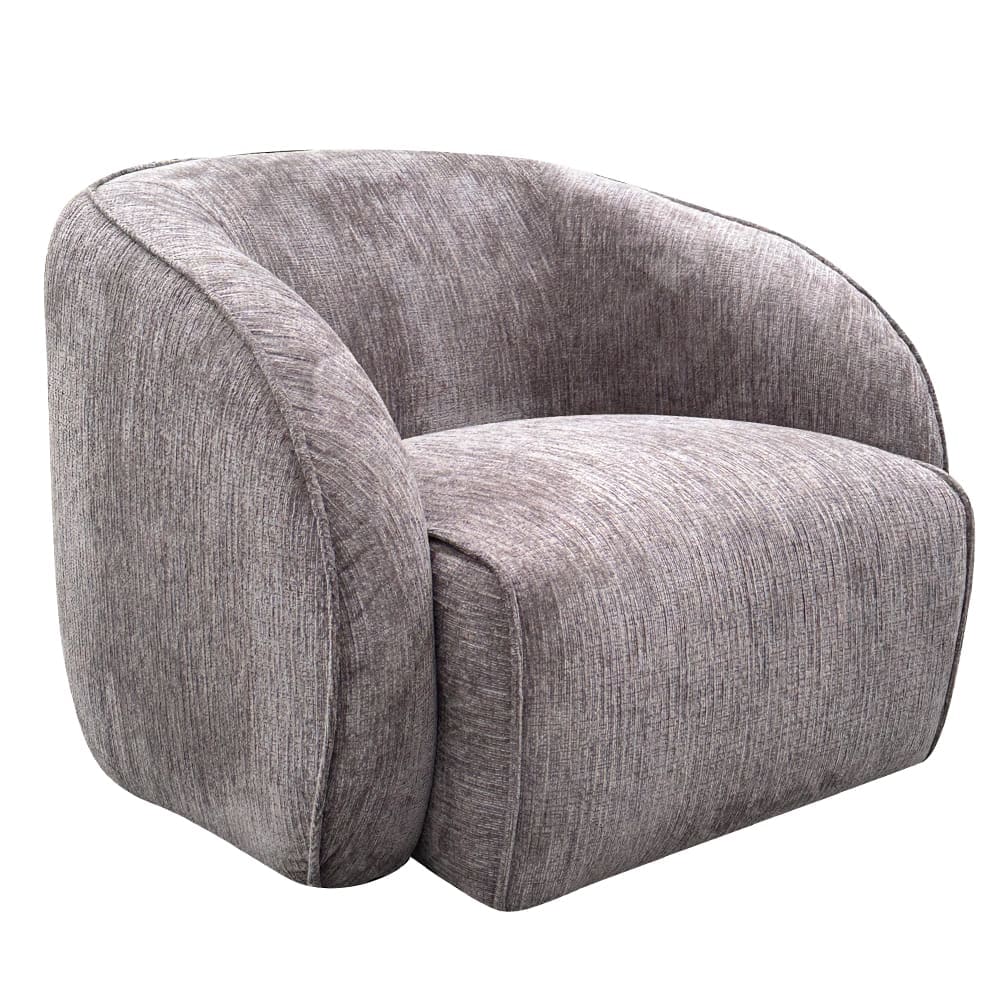
A cohesive living room starts with one hero piece. This is the item that sets the mood for the whole space. In many homes it is the sofa, but it can also be a bold TV unit or even a special armchair.
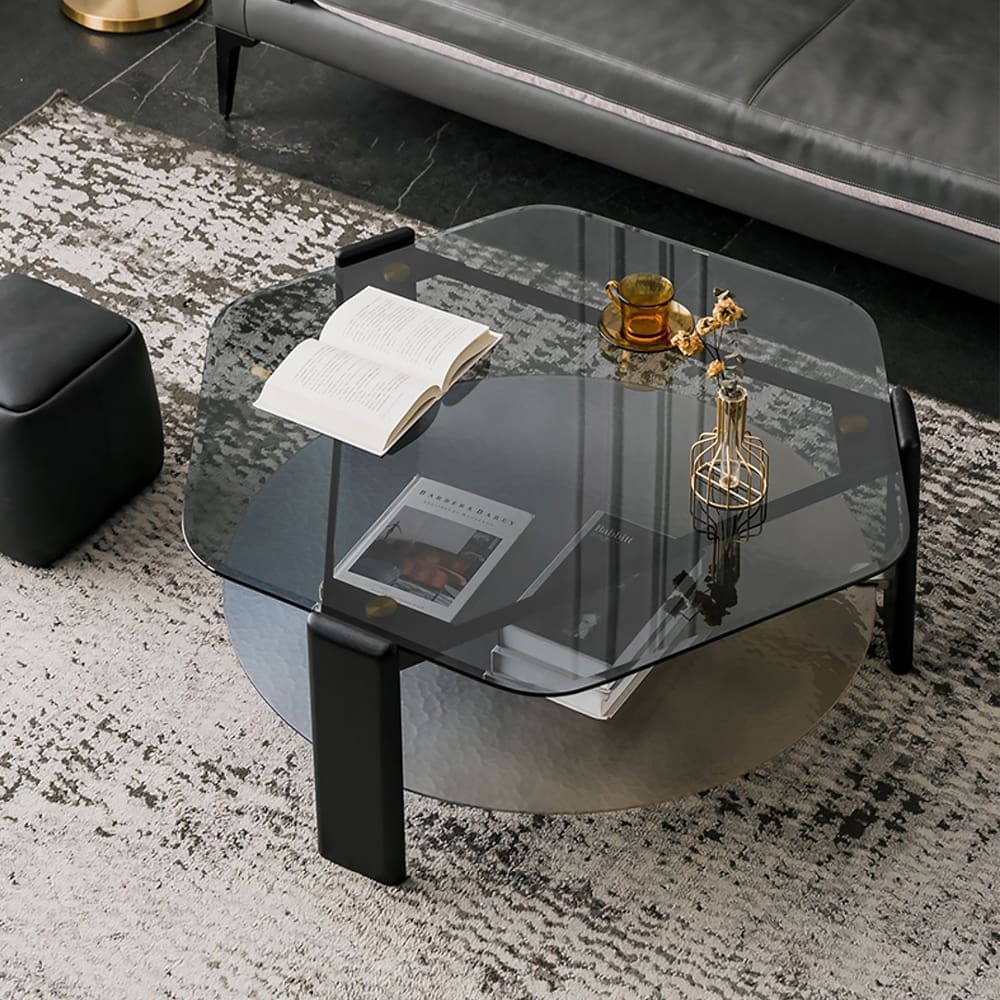
If the sofa is your hero, let it lead your colour story, especially if it has a strong colour or texture. Pair it with a coffee table that contrasts in texture, for example a soft fabric sofa with a sleek glass, stone or polished wood table. Then add side tables that repeat the coffee table finish or leg style so they feel related.
If the TV unit is your hero, match or closely echo its wood tone in your side tables or shelving. You can also pick seating with similar leg colours, like black metal legs to match a black-framed unit, and make sure the height and width of the unit feel balanced with the sofa opposite, not dwarfed or overwhelming.
Pay attention to proportion and scale, because even “matching” pieces can look wrong if the sizes fight each other. A huge, bulky sofa with tiny, delicate tables will always look odd, even if the colours match. Aim for:
- Enough space to walk comfortably around the coffee table
- Clear paths to doors and windows
- Keeping tall furniture away from windows so you do not block light
Start by choosing 3 to 4 anchor pieces that clearly read as a set:
- Sofa
- One or two armchairs or accent chairs
- Coffee table
- TV or console unit
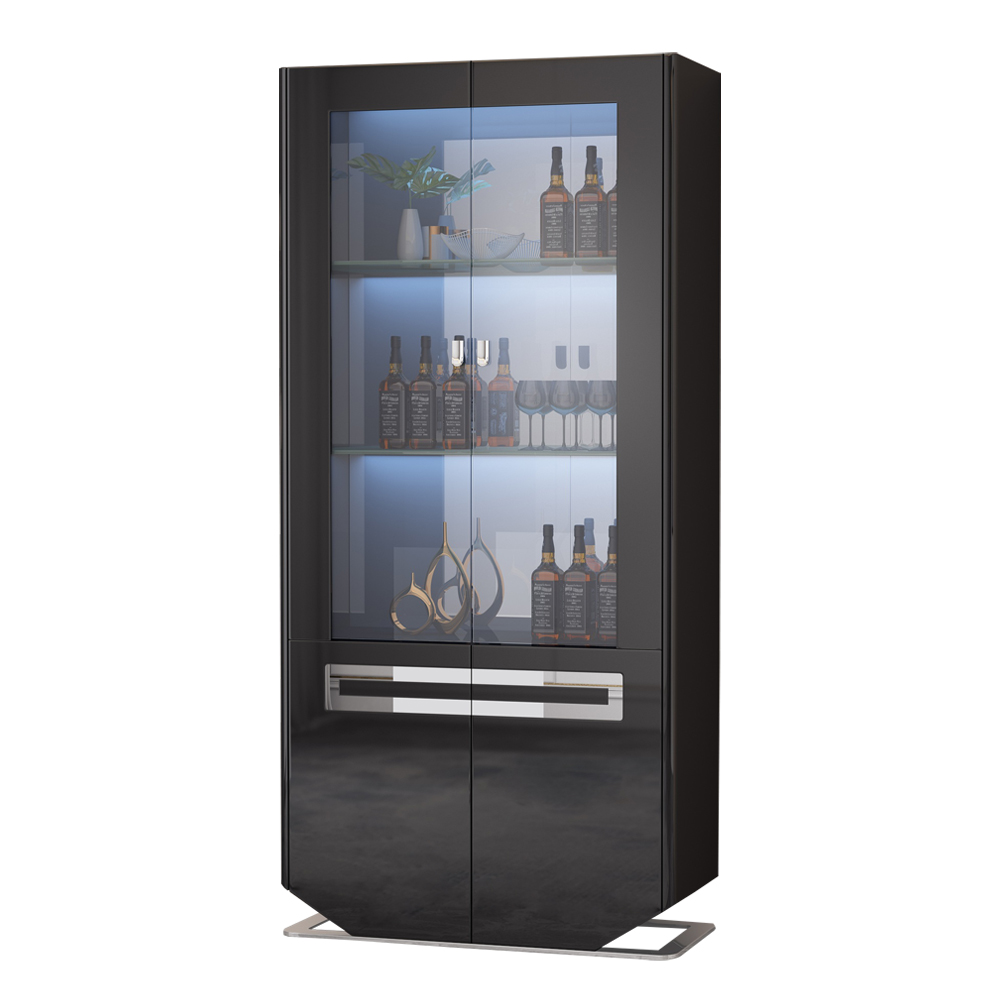
After that, add secondary pieces like bookshelves, ottomans or sideboards, but make sure each one shares at least one visual link with your anchors, such as the same wood tone, metal finish or leg style. In-store room displays are helpful here, because you can see how different items mix and still feel like one family.
Use Colour and Texture to Tie Everything Together
Colour is one of the easiest tools to make mixed furniture feel intentional. A simple colour plan can completely change your living room. Try this basic formula:
- One main neutral: beige, grey or taupe
- One accent colour: teal, rust, emerald, mustard or another favourite
- One supporting shade: a softer tone like light blue, blush or terracotta
Keep your larger pieces mostly in the main neutral, because it helps everything feel calm and consistent:
- Sofa
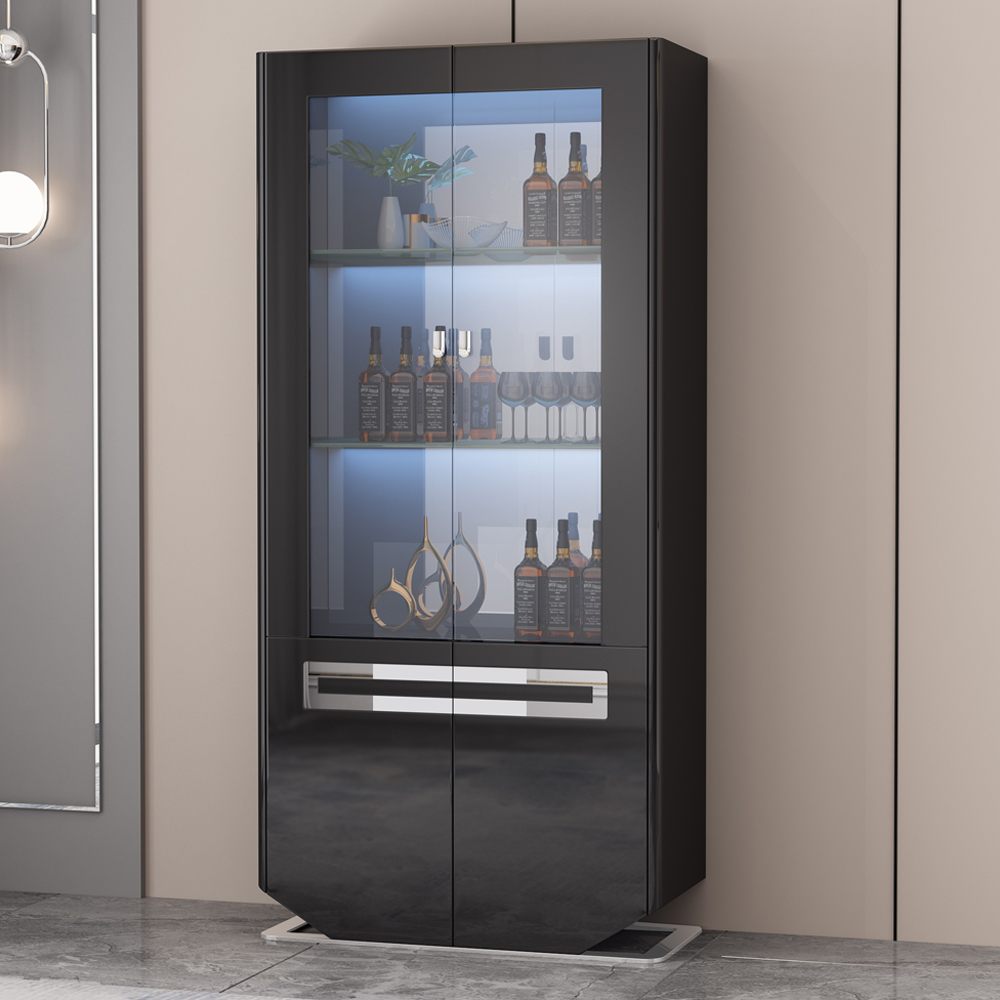
- Big storage pieces
- Large rug
Then bring the accent and supporting colours in through the smaller, easier-to-change layers:
- Cushions and throws
- Curtains and blinds
- Small furniture like stools or side tables
- Décor pieces like vases, baskets and art
Texture is just as important as colour. A flat room with all the same texture can feel dull, even if the colours are pretty, so aim to include a mix across the space:
- Smooth textures: glass, polished wood, metal
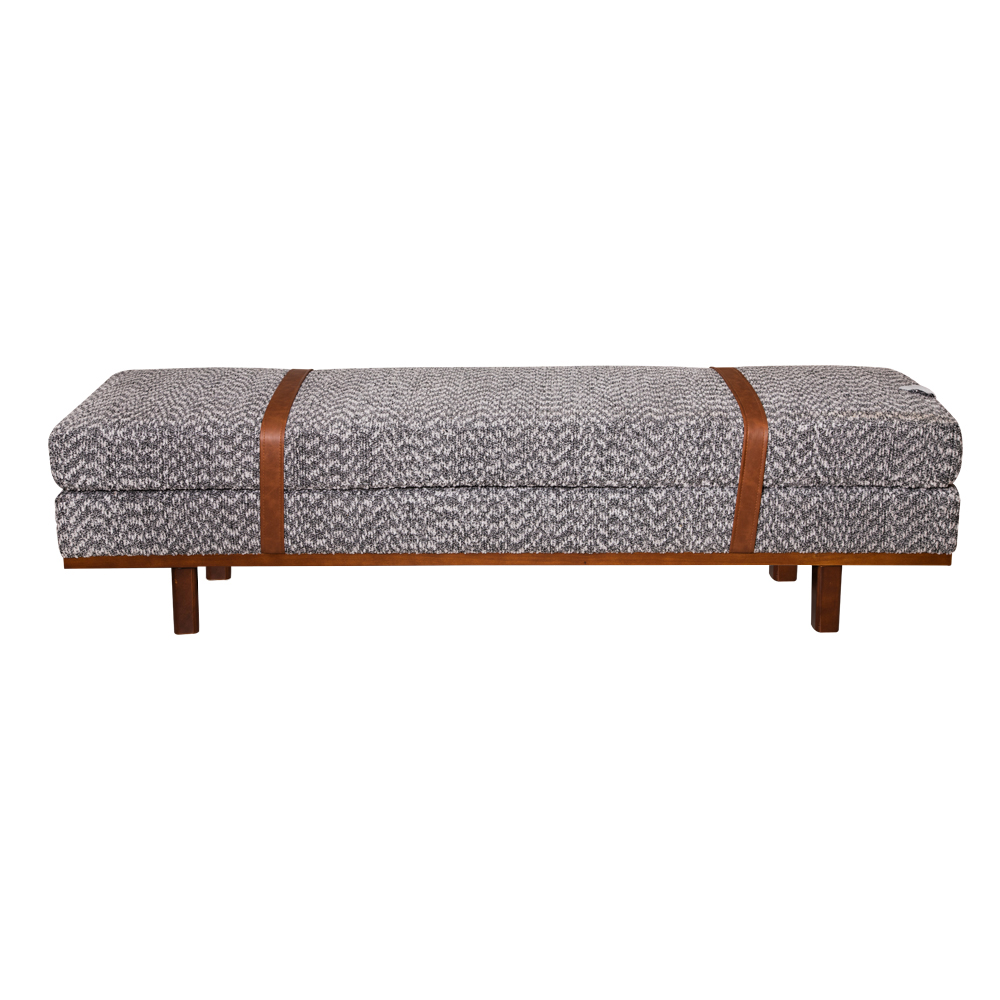
- Tactile textures: bouclé, velvet, quilted fabrics
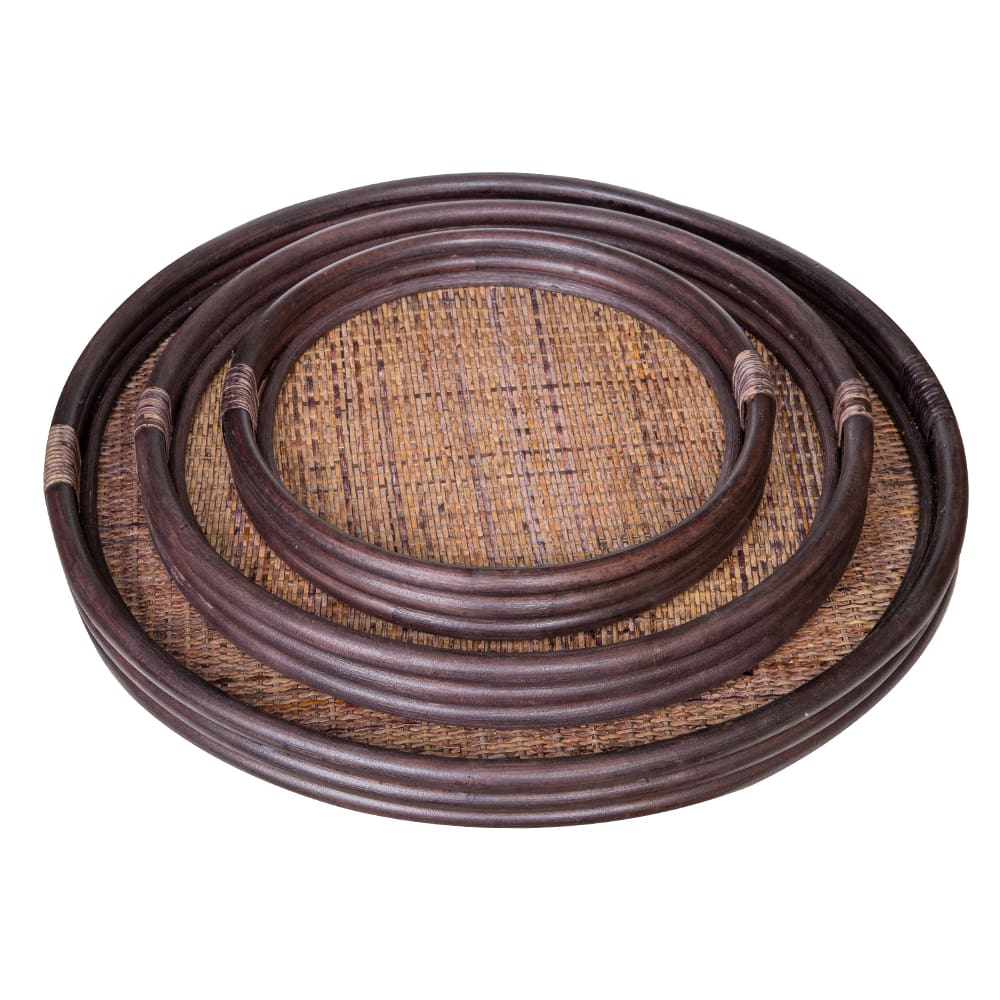
- Natural textures: rattan, linen, jute, woven baskets
Repeat each texture at least twice in the room so it feels intentional. For example, if you have a rattan chair, add a woven basket or a jute rug. For the warmer months and long sunny days, you might lean towards cotton, linen and airy weaves, then later layer in richer throws and cushions when you want a cosier feel.
If you are unsure what works with what, bring or upload photos of your existing pieces when you shop for fabrics, curtains and cushions. Matching the right rug or curtain to your current sofa can instantly pull everything together, even if the furniture came from different places and different years.
Finish with Smart Layouts and Thoughtful Accessories
Even the most beautiful furniture will not feel like a set if the layout is awkward. Begin by choosing your focal point. This could be:
- The TV
- A large window or balcony view
- A lovely piece of art
- A feature wall
Arrange your main seating to face or frame that focal point, then adjust the rest based on the shape of your room. For narrow rooms, it often helps to keep the biggest pieces visually light and aligned along the long walls:
- Place a streamlined sofa along the longest wall
- Use a slim TV unit opposite it
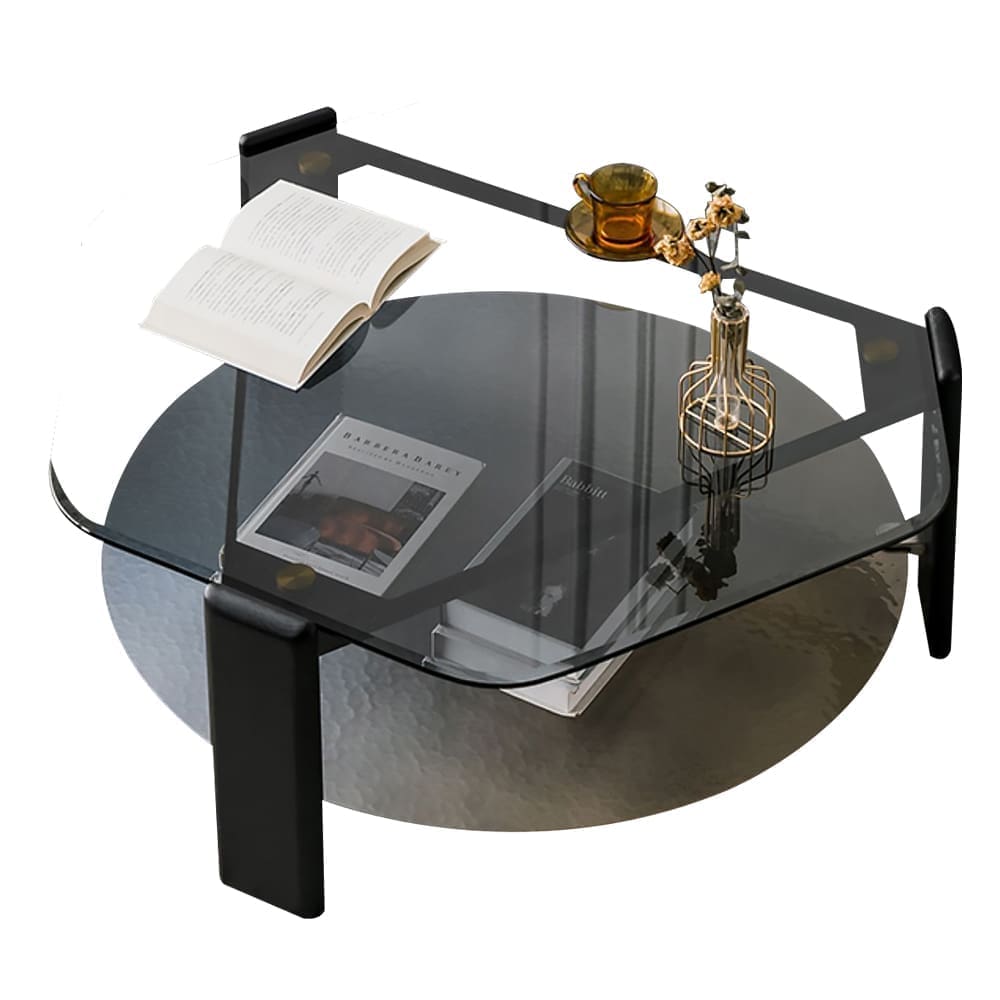
- Swap a bulky coffee table for nesting tables or a light, open-frame table
For open-plan spaces, the goal is to define the living area without blocking movement between zones:
- Use a rug under the main seating area to define the living zone
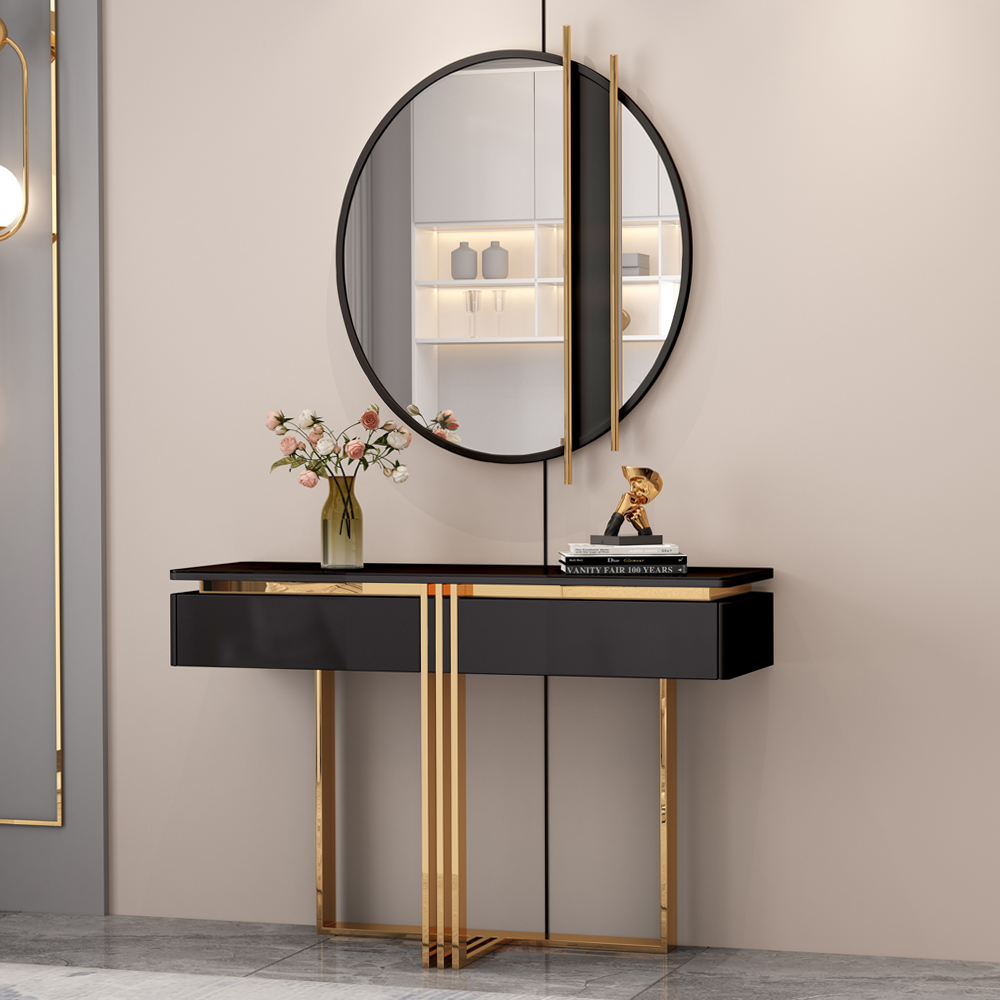
- Place a console behind the sofa to mark the line between lounge and dining
- Keep a clear path between the two zones so movement feels natural
Lighting and décor are the final layer of cohesion. A good mix of lighting types makes the room feel finished and comfortable at different times of day:
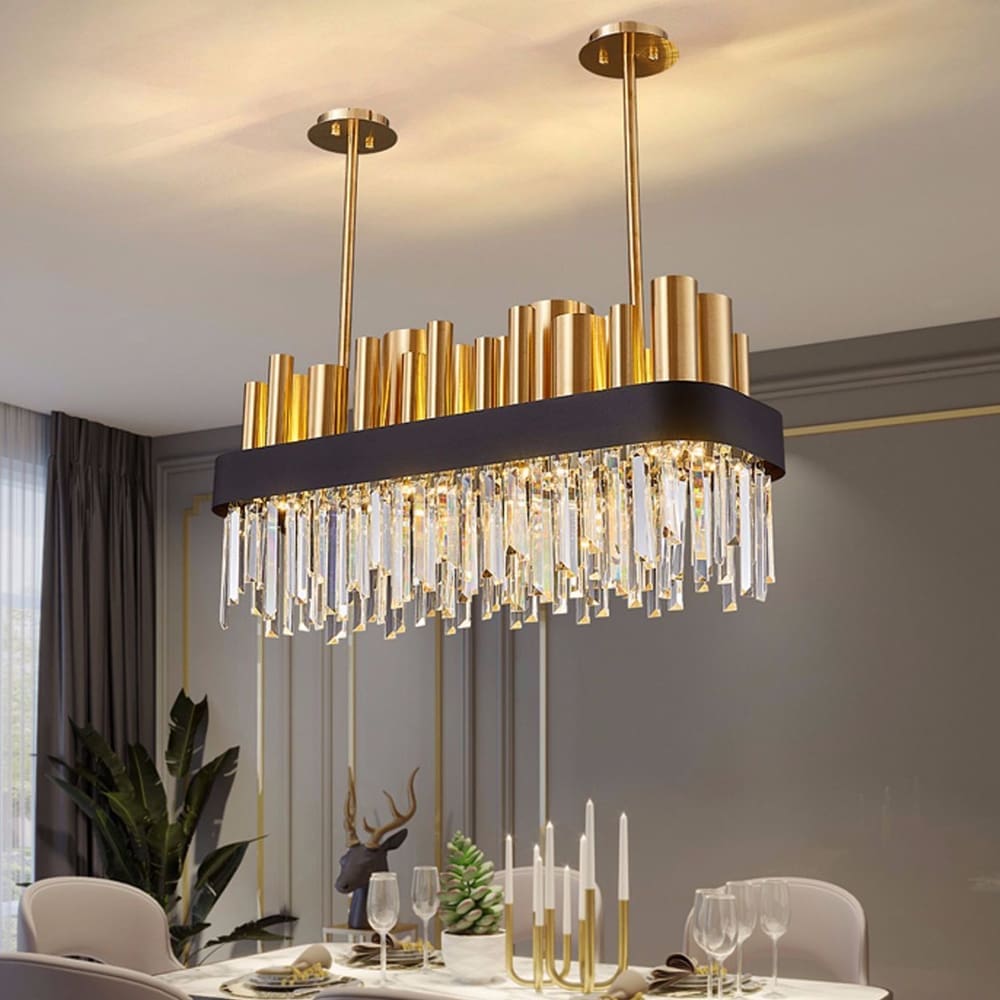
- One overhead light
- One floor lamp
- One or two table lamps
To strengthen the “set” feeling, repeat similar metal or wood finishes across lamp bases, photo frames and small décor pieces so your eye feels a gentle rhythm around the room.
When it comes to accessories, less is often more. Instead of filling every surface, choose a few pieces that do more work visually, and give them space so they stand out:
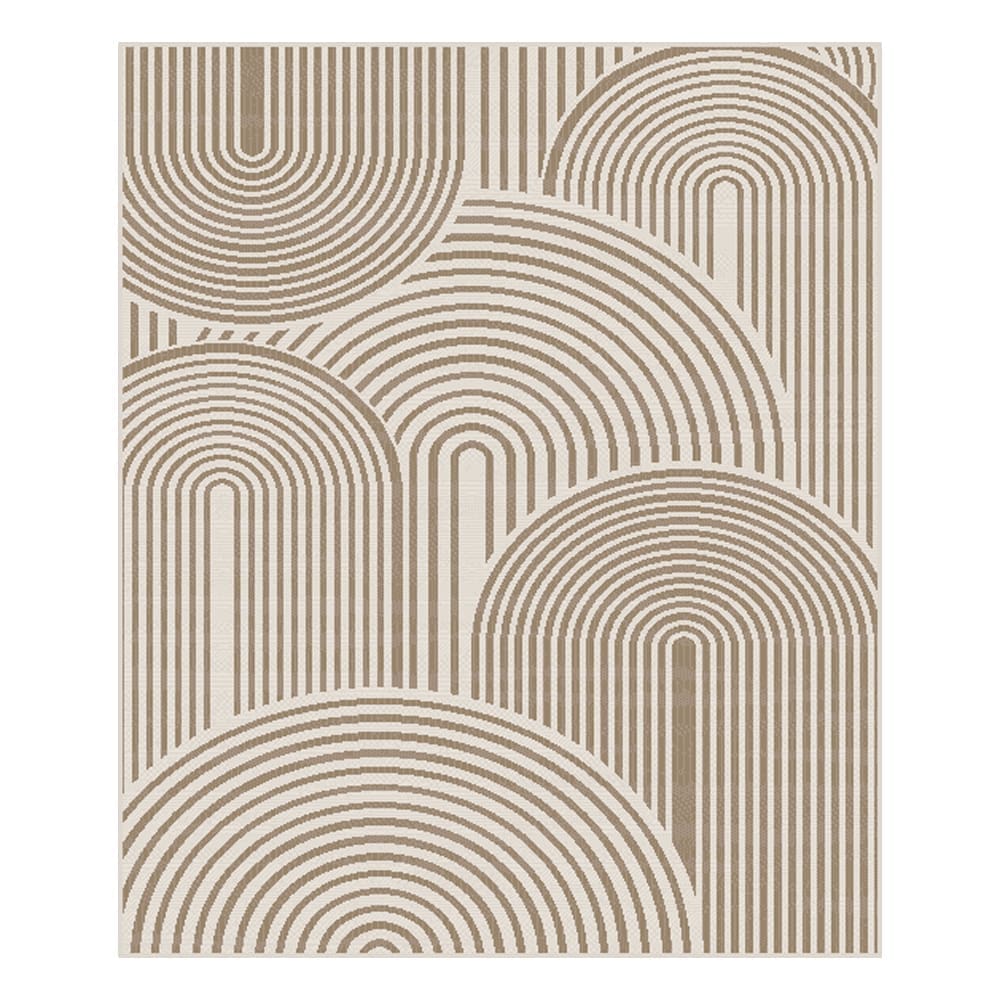
- 3 to 5 hero accessories, for example a statement rug, a large mirror, a group of vases, a bold basket or sculptural piece
- Group items in odd numbers, like 3 vases of different heights on a console
- Leave breathing space on shelves and tables so each item can shine
With smart furniture choices, clear colour and texture links, a considered layout and a few well-chosen accessories, your living room will move from “almost there” to calm, cohesive and truly yours.
Transform Your Living Room With Thoughtfully Curated Furniture
Create a space you are proud to welcome family and friends into by exploring how to buy living room furniture that suits your lifestyle and taste. At TACC Kenya, we help you choose quality pieces that bring comfort, style and practicality together. If you would like personal guidance or have specific requirements, simply contact us and we will be happy to assist.